
Key Takeaways
- A fixed-rate electricity plan locks the energy supply rate for a contract that typically lasts 6, 12, or 24 months.
- The fixed energy charge usually represents 50% to 70% of the total bill, while regulated TDU delivery charges can still change.
- Review the Electricity Facts Label at 500, 1,000, and 2,000 kWh to identify usage thresholds, bill credits, fees, and the true effective rate.
- Fixed-rate plans suit households that value predictable pricing and cannot reliably shift major electricity use into off-peak periods.
- Set a reminder 60 to 90 days before the contract ends because many providers move expired plans to potentially higher month-to-month variable rates.
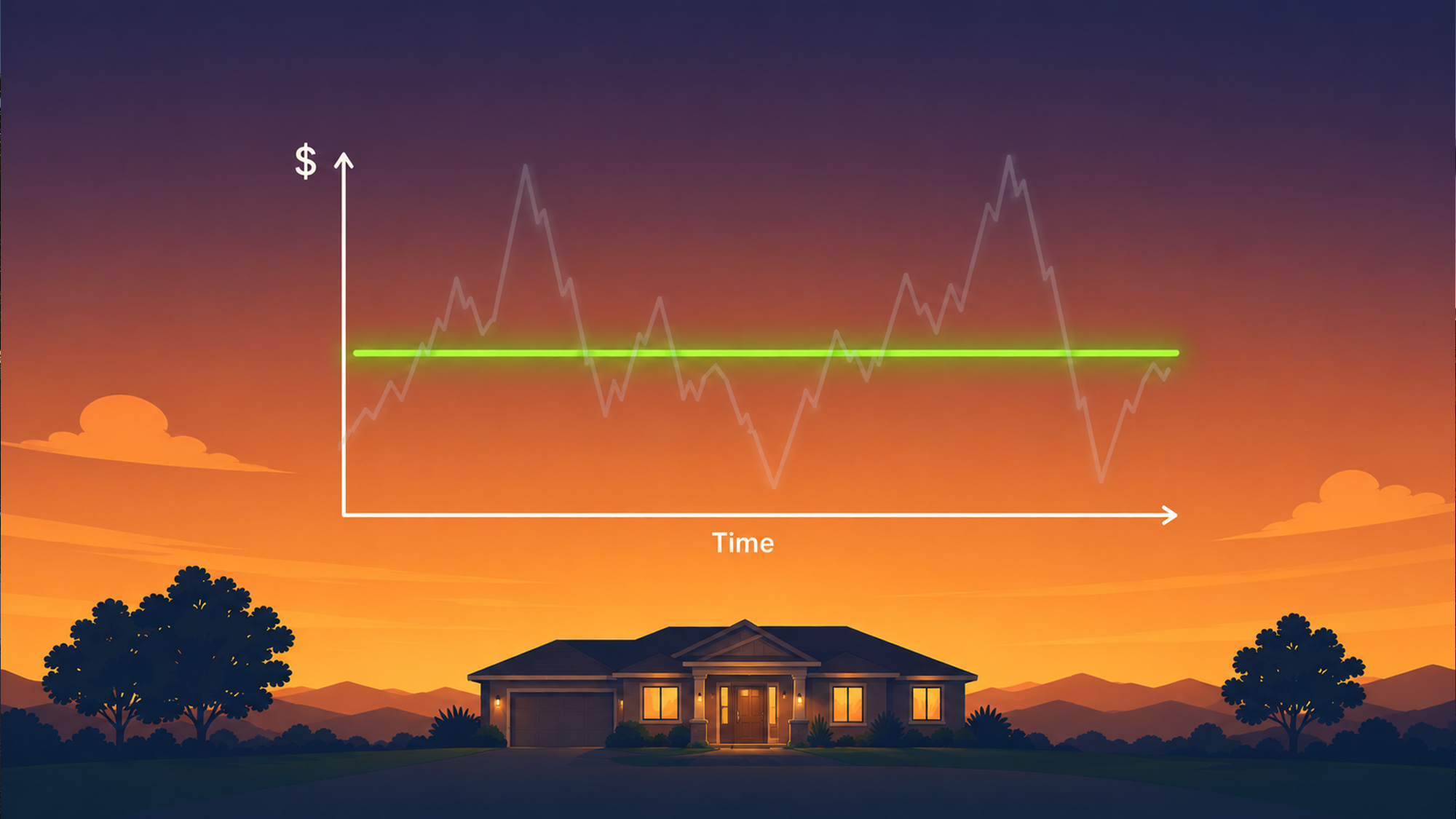
A fixed-rate electricity plan locks your per-kilowatt-hour (kWh) energy supply rate for the length of your contract, typically 6, 12, or 24 months. When electricity prices spike in August, you pay what you signed up for. When they drop in a mild spring, you also pay what you signed up for.
In Texas’s deregulated market, that predictability has real value. Grid prices in the ERCOT wholesale market can swing dramatically during extreme weather. Retail electricity providers who offer fixed-rate plans absorb that volatility in exchange for contract commitment. Whether that tradeoff works in your favor depends on your usage, your risk tolerance, and what the fixed rate looks like compared to alternatives.
What a Fixed Rate Does and Doesn’t Cover
This is the most common misunderstanding about fixed-rate plans. “Fixed” applies to the energy supply charge, the amount your retail electricity provider charges you for the electricity itself. It does not cover everything on your bill.
Your total monthly electricity cost has three main components:
Energy supply charge: The rate per kWh your REP charges for the electricity. This is the “fixed” part.
TDU delivery charges: Fees charged by your local Transmission and Distribution Utility (TDU) for maintaining the physical wires, poles, and meters. These are regulated, not market-driven, but they can change mid-contract if the utility files a rate case with the Public Utility Commission of Texas (PUCT). Your REP passes these through to you at cost.
Fixed monthly fees: Customer charges, metering fees, or base charges from your REP. These are typically locked for the contract term.
So a fixed-rate plan stabilizes your energy cost, which is usually 50-70% of your total bill. The delivery charges below that can still shift.
Fixed vs. Variable vs. Time-of-Use
| Plan type | Price stability | Upside potential | Risk |
|---|---|---|---|
| Fixed rate | High: locked for contract term | None (you don't benefit from market drops) | Locked in if rates fall significantly; ETF if you cancel early |
| Variable rate | Low: changes monthly | Savings when wholesale prices are low | Spikes during high-demand periods; no price ceiling |
| Time-of-use | Medium: rates fixed by time period, not total usage | Significant savings if you shift usage off-peak | Higher costs if you can't shift usage or miss off-peak windows |
A variable rate plan charges you the current market price for electricity each month. Rates can drop during low-demand periods, but they spike when demand is high. Time-of-use plans are a third structure that prices electricity by hour of day rather than a flat or market rate.
Understanding the Electricity Facts Label
Every Texas REP is required to publish an Electricity Facts Label (EFL) for each plan. This is the standardized disclosure document that shows what you’ll actually pay, and it’s the most important thing to read before signing up.
What to look for in an EFL for a fixed-rate plan:
Average price at 500, 1,000, and 2,000 kWh/month. Texas law requires this disclosure. If the 500 kWh price is significantly higher than the 1,000 kWh price, the plan likely includes a bill credit that only kicks in above a usage threshold. This is worth understanding before you sign up.
Energy charge breakdown. The EFL will separate the energy supply charge from TDU delivery charges. The energy supply charge is the part that’s fixed.
Contract term and early termination fee. Confirmed in the EFL, not just the marketing page.
Renewable content. The percentage of the plan backed by renewable energy certificates, if applicable.
Who Should Choose a Fixed-Rate Plan
Fixed-rate plans are the right default for most Texas homeowners who:
- Want predictable monthly bills without monitoring rate windows
- Have lived through a Texas summer on a variable rate and didn’t enjoy the volatility
- Don’t have a specific reason (EV, solar, flexible schedule) to benefit from a time-of-use structure
If you’re evaluating a fixed-rate plan against a TOU alternative, the key question is whether you can reliably shift significant usage to off-peak windows. If you run a pool pump, dishwasher, and HVAC every weekday afternoon, a TOU plan that punishes peak-hour usage isn’t going to work in your favor. A fixed rate removes that risk.
Contract Length and When to Renew
The practical decision within fixed-rate plans is contract length: 6, 12, or 24 months.
Longer contracts give you rate stability across more seasonal cycles. In Texas, that matters. Summer demand can push spot prices significantly above what a reasonable 12-month fixed rate would look like. A 24-month contract that locks in a competitive rate heading into summer is often worth the commitment.
Shorter contracts give you flexibility. If rates drop, you can switch sooner. If you’re expecting to move within a year, a 12-month contract avoids the ETF risk of a longer commitment.
Month-to-month plans typically carry variable rates or a price premium. They’re useful for people who know they’re moving soon or want to try a plan before committing.
The renewal trap: fixed-rate plans expire. Most REPs automatically roll expiring customers onto a month-to-month variable plan. Set a calendar reminder 60-90 days before your contract ends. That’s enough time to compare and re-sign or switch.
If you’re considering switching providers before a contract expires, check the ETF terms before you commit.
Emporia’s Fixed Plan
Emporia’s Fixed Plan offers a competitive fixed rate for Texas homeowners in deregulated service areas, with 100% renewable electricity matched with renewable energy certificates. No usage thresholds, no expiring bill credits, no surprise structure buried in the EFL.
All Emporia electricity plans are offered in Texas in partnership with Light, a licensed retail electricity provider. You can look up current rates for your address before signing up.
If you run an Emporia Vue 3 energy monitor, you’ll see your electricity costs in real time once you’re on a new plan, which makes it easy to verify you’re getting what you signed up for.
Frequently Asked Questions
See the Fixed Plan.
Compare a straightforward fixed rate for your whole home.