Key Takeaways
- To find the daily cost, divide the heater's watts by 1,000, multiply by the hours it runs, then multiply by your rate in dollars per kWh.
- A 1,500-watt heater run 8 hours a day uses 12 kWh, about $2.04 a day at an example rate of $0.17 per kWh.
- Use the rate on your own bill. The 17-cent rate is an example only.
- A smart plug shows a space heater's real power draw in the Emporia app.
A 1,500-watt space heater costs about 26 cents an hour to run at an example rate of 17 cents per kWh. To work out your own cost, divide the heater’s watts by 1,000, multiply by the hours it runs each day, then multiply by your electricity rate in dollars per kWh. The result is what the heater costs per day.
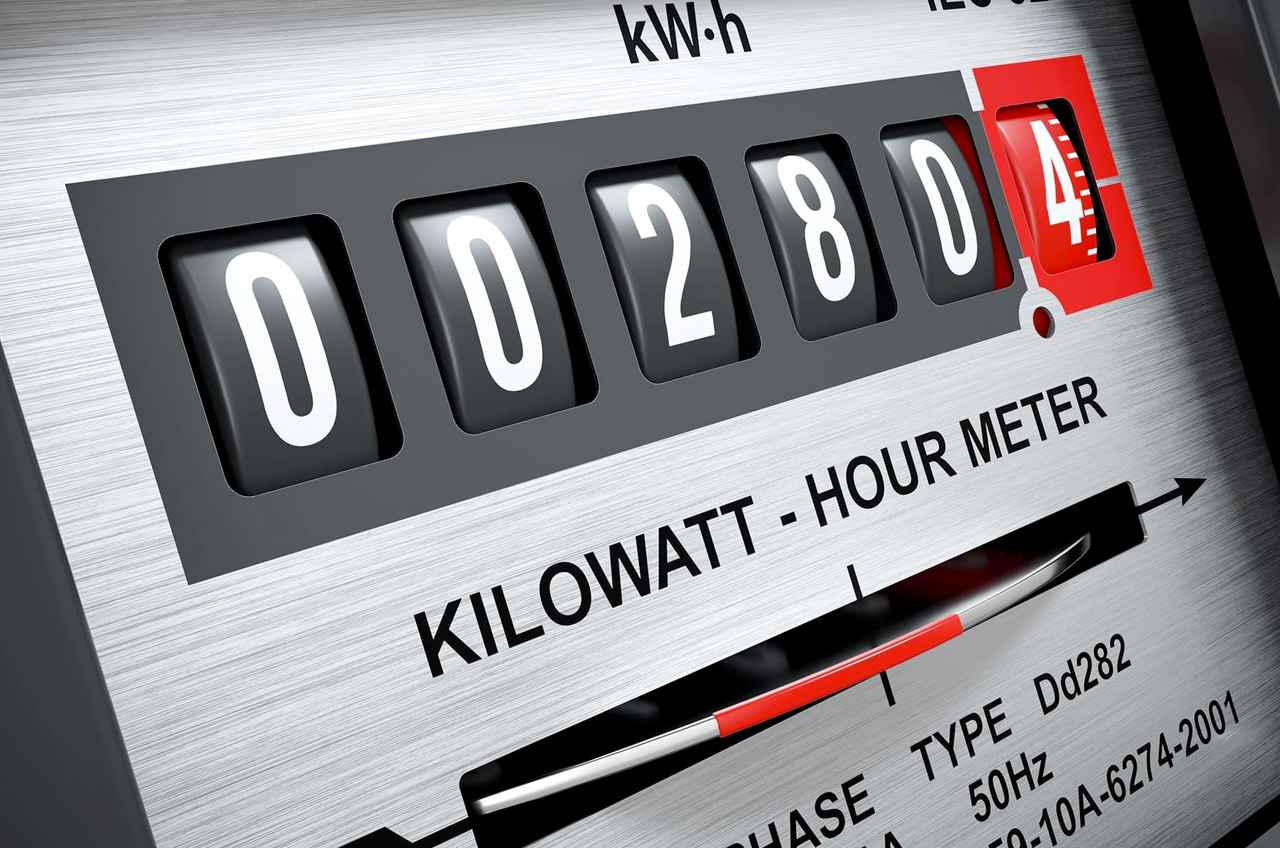
A kWh, or kilowatt-hour, is the unit your utility bills you for. One kWh equals 1,000 watts running for one hour. Every time the heater runs, your meter counts the kWh it uses, and your bill charges you for each one at your rate.
Space heaters draw a lot of power, so their cost adds up quickly during cold months. The math needs three numbers: the heater’s wattage, how many hours it runs, and your rate. The wattage is printed on the label or listed in the manual. You can estimate the hours from your own routine. The rate comes from your bill.
A Worked Example
Say a 1,500-watt heater runs 8 hours a day. Divide 1,500 watts by 1,000 to get 1.5 kilowatts. Then multiply by 8 hours: 1.5 × 8 = 12 kWh a day.
Next, multiply the daily kWh by your rate. At an example rate of $0.17 per kWh, 12 kWh costs about $2.04 a day (12 × $0.17 = $2.04). Over 30 days, that comes to about $61.
The 30-day figure assumes the heater runs 8 hours on every one of those days. If it runs only on some days, multiply the daily cost by the number of days it runs. A heater used on weekends only will cost far less per month than one that runs every day, even at the same hours per run.
The $0.17 rate is an example for illustration only. Electricity prices vary by utility, by plan, and sometimes by season, so your rate may be higher or lower. Check your own bill before you rely on these numbers.
The example also shows why hours matter as much as wattage. At the example rate, each hour the heater runs at full power adds about 26 cents. A heater that runs four hours a day costs about half as much as the same heater running eight hours, because the hours are the only thing that changed.
Heaters with a built-in thermostat often cycle on and off to hold a set temperature. When that happens, the heater draws less than its full wattage over the course of the day. The formula uses the full wattage, so the result is an upper estimate of the cost. Cold weather often means longer run times, so the same heater can cost more on a freezing day than on a mild one. The formula still works for any day. Use the hours the heater ran that day, and the result will match that day’s use more closely. If you keep a simple log of hours each day, you can see how the cost moves from one week to the next without redoing the whole calculation each time.
How to Find Your Rate on Your Bill
Look for the price per kWh on your bill. It may be labeled as the energy charge or the supply charge. It usually appears in cents, such as 17 cents, or in dollars, such as $0.17. To use it in the formula, convert cents to dollars by dividing by 100.
If you only see one total for electricity, divide the energy charge by the kWh you used that month. For a made-up example, a bill with a $60 energy charge for 400 kWh works out to $0.15 per kWh ($60 ÷ 400 = $0.15). Your own bill will give you your own number, and it may change from one billing period to the next. Use the most recent bill, or an average of a few recent bills, for the most current estimate.
Some bills also include a fixed monthly charge for service. Leave that charge out of the formula. It stays the same whether the heater runs or not, so it does not change the cost of running the heater.
Bills can look busy, with delivery fees, taxes, and credits listed next to the energy charge. For the formula, use only the line that shows the price per kWh or the energy charge. If you are not sure which line that is, the number to call or the website on your bill can tell you which price applies to your plan.
If your plan has peak and off-peak prices, use the price for the hours your heater runs. On a time-of-use plan, an evening run may be billed at a higher rate than an overnight run. Our time-of-use rate guide explains how these plans work, and your utility’s rate schedule shows the exact hours and prices for your area.
How to Measure Your Heater’s Real Use
The formula gives you an estimate built from the label. To see what the heater draws in use, connect it to a smart plug and check the reading in the app. The Emporia Energy Monitoring Smart Plugs plug into a wall outlet, and the heater plugs into the smart plug. The Emporia app shows the heater’s real power draw, so you can compare it with your formula. Once you have a few days of readings, you have a check on the estimate based on your own home.
For safety, plug the heater straight into the smart plug, and plug the smart plug straight into a wall outlet. Do not use an extension cord or a power strip with a space heater. Check that the smart plug’s rating covers the heater’s wattage before you connect them.
Run the heater the way you normally would for a few days, and note the readings at different times. Morning, afternoon, and evening readings can differ, especially on a cold day when the thermostat calls for more heat. Watch the pattern over a full day. A heater running at full power shows a steady, high reading. A heater that cycles shows a reading that climbs for a while, drops to a low level, and climbs again. Averaging the readings over a full day gives you a daily draw you can compare with the formula. If the real draw comes in below the label, the thermostat is probably cycling the heater, and the formula will likely overstate what you pay.
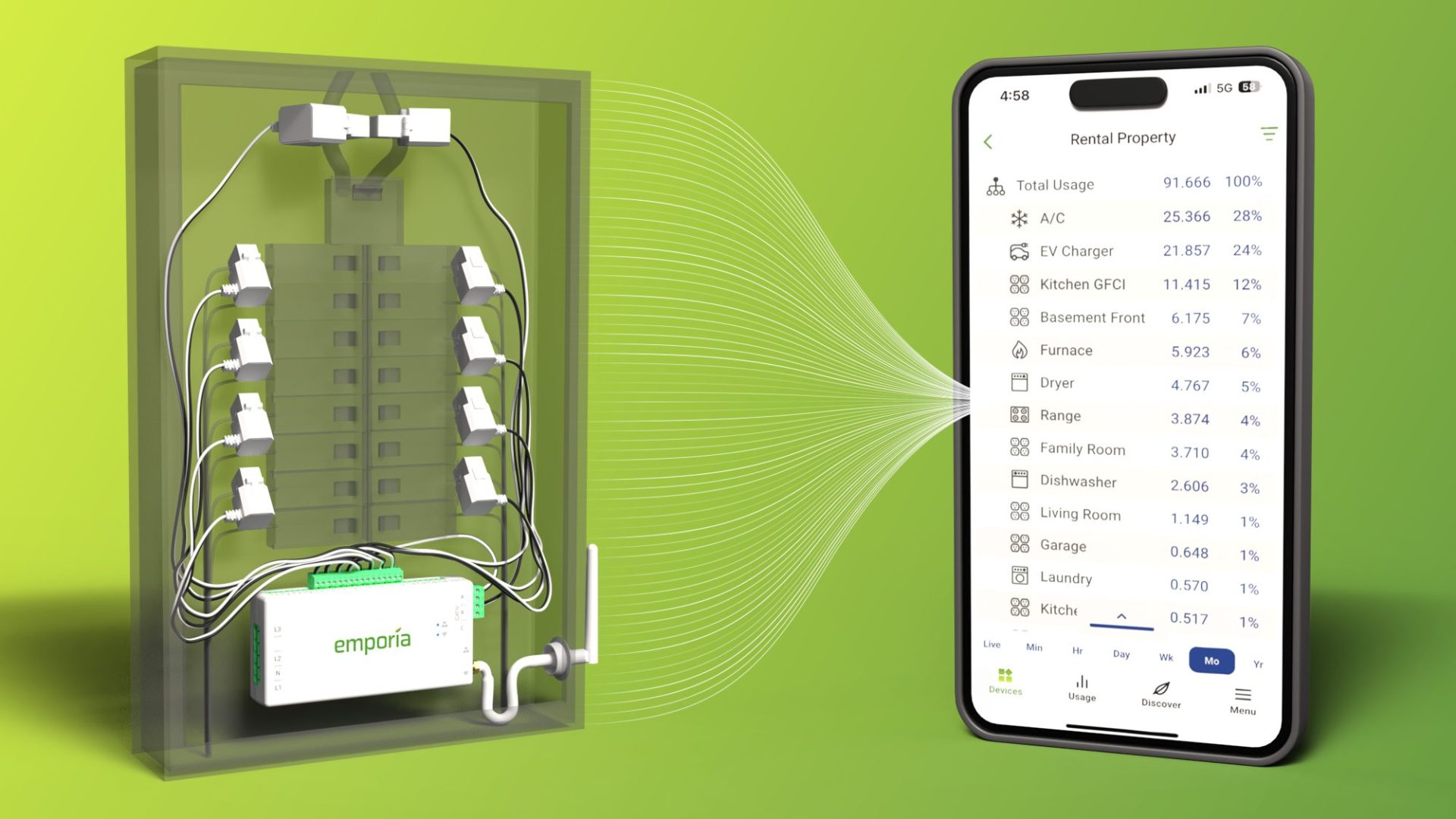
The Emporia Vue 3 Home Energy Monitor shows whole-home use. The heater shows up as part of your total, so you can see how much it adds on a cold day. Use the smart plug to see the heater’s own draw, and use the Vue 3 to see your home overall.
How to Cut the Cost Without Guessing
There are three simple ways to lower what a space heater costs. You can run it on a lower setting, shorten how long it runs, or set a timer or schedule so it only runs when you need it.
A lower setting asks the heater to produce less heat, so it draws less power while it runs. A thermostat can hold the room at a steady temperature, so the heater does not need to run at full power all the time.
A shorter run is the most direct change. If you heat one room for two hours in the evening, heat only that room and close the door, so the heater runs for fewer hours.
A timer or schedule works well for a routine. Smart plugs let you set your own schedule, so the heater can turn on before you sit down to work and off before you leave the room. Emporia’s smart scheduling page explains how to run appliances during the cheapest hours of the day.
Change one thing at a time and compare the daily readings in the app. That shows which change matters most in your home. Every house, room, and heater is different, so the numbers from your own readings tell you the most.
Start with the change that is easiest to keep, such as a timer that matches the hours you are already home. Keep that schedule for a week, check the readings, and adjust from there.
Frequently Asked Questions
Find out what each appliance costs to run.
Unlike most smart plugs, Emporia monitors energy use per device, not just on/off. PC Magazine Editor's Choice, starting at $11.99.